Let Utah Read Event 2/13 Brings Authors and the Community Together to Defend Books
February 12, 2026 6:00 am
SALT LAKE CITY—Let Utah Read is hosting its annual read-in event on Fri., Feb. 13, bringing together authors and the community to defend books and literary freedom. Ahead of the event, the ACLU of Utah and PEN America are appealing to the public to support the defeat of new state legislation that would further censor reading and teaching materials in public schools
The two-hour Let Utah Read event at the State Capitol Rotunda, starting at 3:30 pm, will feature a community reading hour followed by remarks from authors and other speakers, including Representative John Arthur and author Abdi Nazemian, whose novel Like a Love Story was banned statewide in Utah in 2025. The event will bring together Utahns from all walks of life to defend literary freedom, free expression, and the First Amendment.
The free event is sponsored by the Let Utah Read coalition that defends the freedom to read and opposes censorship, in partnership with EveryLibrary, PEN America, Penguin Random House, ACLU of Utah, the Utah Library Association, and the National Booksellers Association.
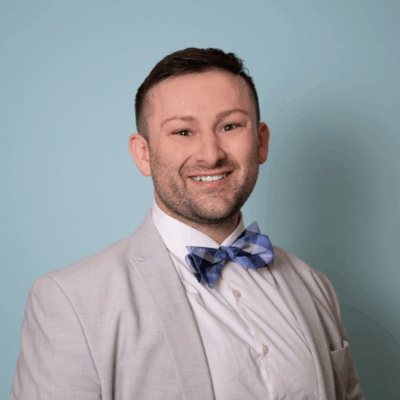
“Book bans are erasure. Many of the banned titles target voices that have long been pushed to the margins — authors of color, women, and LGBTQ+ writers,” said Aaron Welcher, Director of Communications for the ACLU of Utah and a co-founder of the Let Utah Read coalition. “We launched our annual read-in four years ago because taking books off shelves cost our kids the chance to see themselves, build empathy, and find belonging. Reading together is resistance.”
Today, the day before the event, the Utah State Legislature’s House Education Committee will meet to discuss HB197, which extends existing content restrictions on “sensitive” teaching materials to digital materials and digital service providers. The bill requires districts to review all new instructional materials and to provide a filter for all digital instructional materials.
To stop the bills, the ACLU of Utah and PEN America are asking the public to take action by sending letters to state leaders. PEN America has documented 351 book bans in Utah since 2021. Utah is one of three states (with South Carolina and Tennessee) whose state laws impose statewide “no read” book lists. As a result, 22 titles are banned in every school district across the state. These banned titles include celebrated books including The Perks of Being a Wallflower by Stephen Chbosky, Forever by Judy Blume and Nineteen Minutes by Jodi Picoult. Seventeen of the authors on the list are women.
“Book bans are rooted in fear, and community events like this are exactly how we model choosing curiosity over fear and community over division,” said author Nazemian. “It is an honor for me to be a part of the third annual Read-In at the Capitol in Salt Lake.” Nazemian’s book, Like a Love Story, which is included on the statewide “no read” list, was a Stonewall Honor Book and a Time Magazine Best YA Book of All Time.
Utah already has a law in place that restricts access to certain kinds of books. HB29, enacted in 2024, is one of the most extreme book banning bills nationwide to date. The latest bill will only add more confusion and hurdles for educators and librarians.
“As the right to read continues to be threatened across the nation, it is imperative that we stand together. Read-ins highlight the fact that books are not the enemy, but they are the solution to breaching the current divide by exposing us to different worlds and experiences, thus sowing empathy, understanding, and respect for each other at a time when we need it most,” said Yuliana Tamayo Latorre, Freedom to Read program assistant at PEN America.
Since 2021, PEN America has documented an unprecedented, rapid rise in U.S. school book bans with nearly 23,000 instances recorded through late 2025 across 45 states.
###
Note to Journalists: Prior to the event, Aaron Welcher will be on site to help facilitate interviews with speakers, Let Utah Read organizers, and community members.
Related Content
Vonnegut v. Utah
Stay Informed
Sign up to be the first to hear about how to take action.
By completing this form, I agree to receive occasional emails per the terms of the ACLU’s privacy statement.
By completing this form, I agree to receive occasional emails per the terms of the ACLU’s privacy statement.